What Is A Major Key In Music : How To Read Key Signature Find The Tonality Sheet Music Simplifying Theory - Our next step will be to figure out which one of the two it is.. It shows which notes have to be changed into sharps or flats. Learn about available music majors for music students and how the choice of major can help you prepare for a career in music. The group features a tonic note and its corresponding chords, also called a tonic or tonic chord. Read here for the ultimate guide to sharps, flats, major & minor keys. I created a musicality checklist for musicians like you.
Music in minor keys has a different sound and emotional feel, and develops differently harmonically. What is a key in music? That chord (and often the. The group features a tonic note and its corresponding chords, also called a tonic or tonic chord. Of modern modes, characterized by the use.
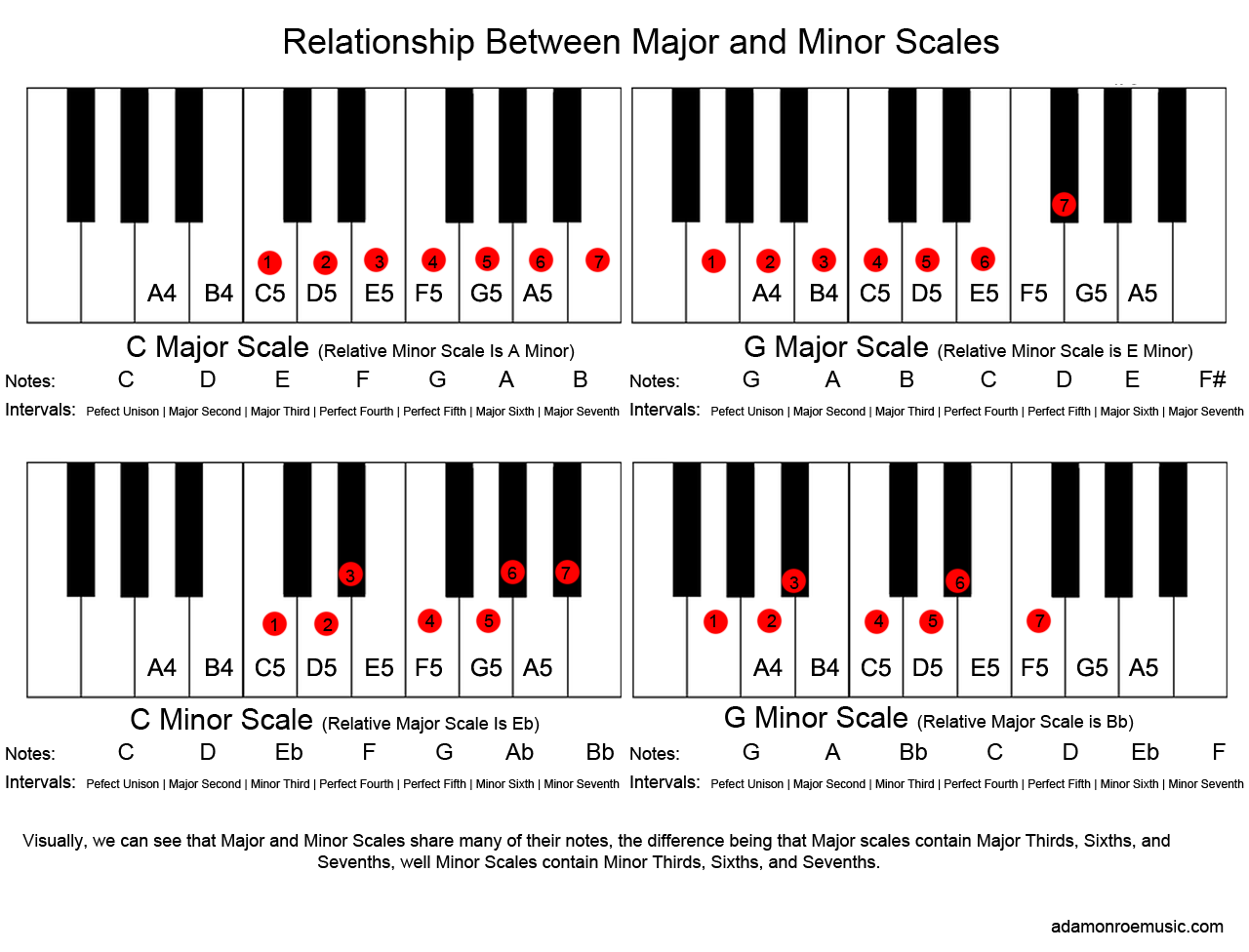
Adam Monroe Music Music Theory Lesson 2 Scales Key Signatures And Chords from adammonroemusic.com This is one of the most frequently asked questions from students to this day, it's also one of. The group features a tonic note and its corresponding chords, also called a tonic or tonic chord. What is a major key in music? It will take some doing, but it isn't as hard as you might think. The music is in cb major if the music is in a bright sounding key. Looking at the definition of relative keys often prompts the question: Relative major / minor scales. A key signature is a symbol at the beginning of a song that tells us which piano notes will be sharp or flat for the rest of the song, but even more than.
It was part of the shared cultural experience of those who made, performed and listened to music.
You can identify which key a piece of music is in just by looking at this display of accidentals (plus a few other factors in the music). This is one of the most frequently asked questions from students to this day, it's also one of. Are you learning to play the piano and feeling lost about music key signatures? The association of musical keys with specific emotional or qualitative characteristic was fairly common prior to the 20th century. Read here for the ultimate guide to sharps, flats, major & minor keys. What is the difference between relative keys and parallel keys? He is a visionary musical entrepreneur, music producer, artist development consultant, arranger, bandleader and performer. This is to avoid the repetiton of accidentals in the score. The arrangement of sharps and flats at the beginning of a piece of music is called a key signature. So, placing a sharp on line f makes every f sharp. It was part of the shared cultural experience of those who made, performed and listened to music. Below we list every commonly used key, major and minor, along with a succinct version of their emotive expression and now, we didn't come up with these feelings all by ourselves. For example, if your piece is in a major key but has a more thought provoking, restful mood, it might benefit if it were moved to a lower key, especially if your singers tone sounds 'darker' as a result.
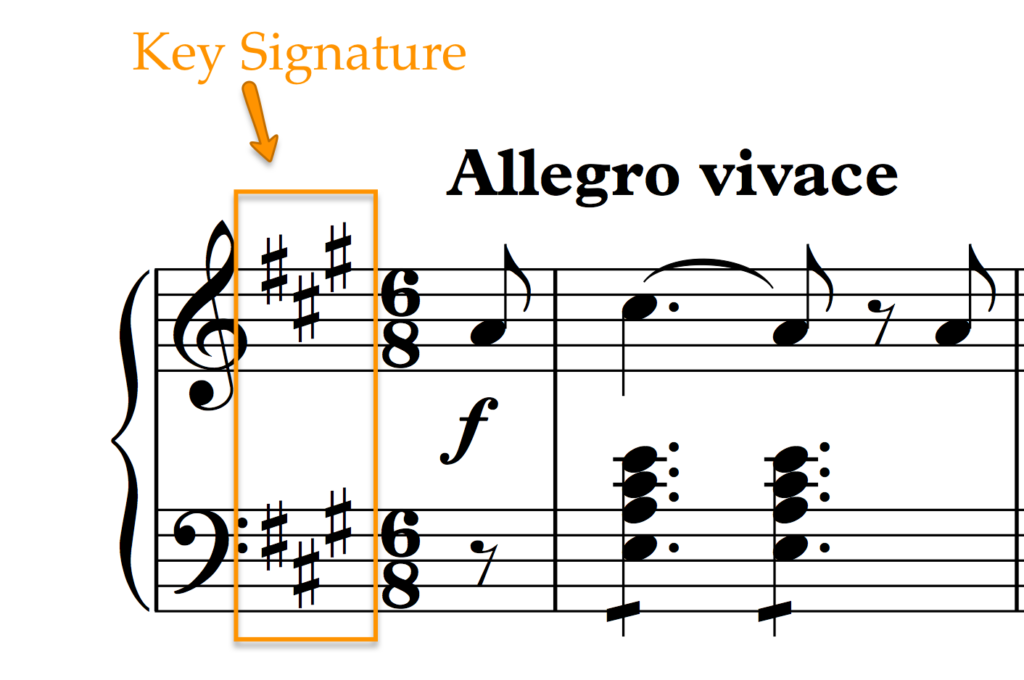
To create a natural minor scale, start on the. A key signature is a group of sharps or flats which are printed at the beginning of a line/measure of music. Often, new music students will say there are 12 keys of music, but what they are referring to is the twelve keys they can identify on a keyboard or now, learning the 15 major key signatures seems like it might be a big task to accomplish! Examples of songs played in different keys 5. If there is one sharp in the key signature it will be an f sharp.
Bad Guy But I M The Good Guy So I Play It In The Major Key Sheet Music For Piano Solo Musescore Com from musescore.com Below we list every commonly used key, major and minor, along with a succinct version of their emotive expression and now, we didn't come up with these feelings all by ourselves. To create a natural minor scale, start on the. A scale is simply a specific arrangement of 8 consecutive notes going up or are you tired of not feeling like a natural in music? Music composed in a major key centers around notes from a major scale, while minor key music centers around notes from a minor scale. Often, new music students will say there are 12 keys of music, but what they are referring to is the twelve keys they can identify on a keyboard or now, learning the 15 major key signatures seems like it might be a big task to accomplish! What is a major key in music? You can identify which key a piece of music is in just by looking at this display of accidentals (plus a few other factors in the music). Such pieces typically have groups of sharps or flats called key signatures.
For instance, the relative minor key for c major is a minor.
The 12 this tonal center or home base is a note that the whole song revolves around. This is to avoid the repetiton of accidentals in the score. What is the difference between relative keys and parallel keys? So you can't, for example, transpose a piece from c major the scale that is created by playing all the notes in a minor key signature is a natural minor scale. They are listed on every line of music, which signifies what key the composer has chosen. The key signature is something that is in music showing what black key you need to play and that is sharps or flats.it is listed after the clef. We are aware that the major scale or key is the sort of datum point for a lot of theory. How to find the relative major of a minor key. The music is in cb major if the music is in a bright sounding key. We'll begin with recognizing a major or minor key in sheet music. Often, new music students will say there are 12 keys of music, but what they are referring to is the twelve keys they can identify on a keyboard or now, learning the 15 major key signatures seems like it might be a big task to accomplish! F major, a key frequently found in beginning sheet music, only has one flat (b), and c major has no sharps or flats at all. The blues scale is a chromatic variant of the major scale.
Key signatures, when viewed in light of these rules, are much easier for beginners to digest, ensuring that a proper knowledge of key signatures is on its way through the door. They are listed on every line of music, which signifies what key the composer has chosen. A german music theorist and composer john mattheson laid it out in his writings way back. We are aware that the major scale or key is the sort of datum point for a lot of theory. Are you learning to play the piano and feeling lost about music key signatures?
How To Tell If The Music Is Major Or Minor School Of Composition from www.schoolofcomposition.com The group features a tonic note and its corresponding chords, also called a tonic or tonic chord. This means that the key signature we find in sheet music narrows down our options to 2 possible keys: 12 possible keys in music 3. Music key signatures are sharps and flats immediately following the clef sign. So, placing a sharp on line f makes every f sharp. These sharps and flats (accidentals) affect every note on the line or space they represent throughout the entire composition. If there is one sharp in the key signature it will be an f sharp. What is the difference between relative keys and parallel keys?
So the key of f# major has six sharps including e# which is played as an f, though it is a white note.
Every note in the song wants to gravitate towards the home base note. So you can't, for example, transpose a piece from c major the scale that is created by playing all the notes in a minor key signature is a natural minor scale. Are you learning to play the piano and feeling lost about music key signatures? One major and one minor. This is to avoid the repetiton of accidentals in the score. If there is one sharp in the key signature it will be an f sharp. If the song was in d major, the chords used. Often, new music students will say there are 12 keys of music, but what they are referring to is the twelve keys they can identify on a keyboard or now, learning the 15 major key signatures seems like it might be a big task to accomplish! A major key uses a major scale, and a minor key uses a minor scale. In music, a key signature is a symbol that usually appears on sheet music to tell you what key a piece of a song is in. Our next step will be to figure out which one of the two it is. It was part of the shared cultural experience of those who made, performed and listened to music. Music in minor keys has a different sound and emotional feel, and develops differently harmonically.